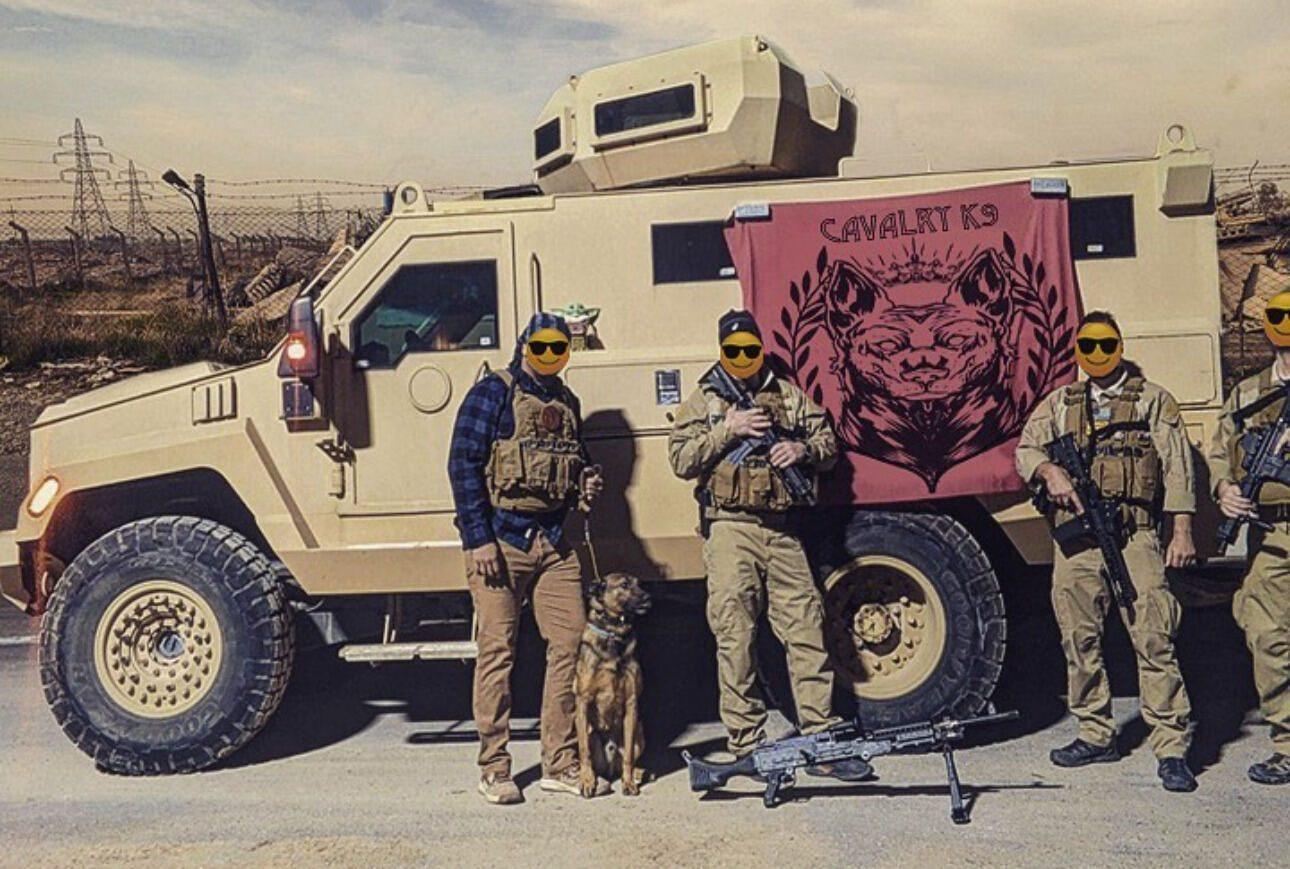
A Cavalry K9 team and their dog in front of an armored vehicle, under the Cavalry K9 banner

Family protection · Patrol & detection · Obedience

A dog that guards your family — and lives with it.

Protection dogs for families. Detection and patrol dogs for agencies, schools and churches. Every one of them is selected for temperament, trained for control, and handed over with its handler trained too.

  • Temperament tested
  • Proofed in real homes
  • Handover training included

What we do

What kind of dog are you looking for?

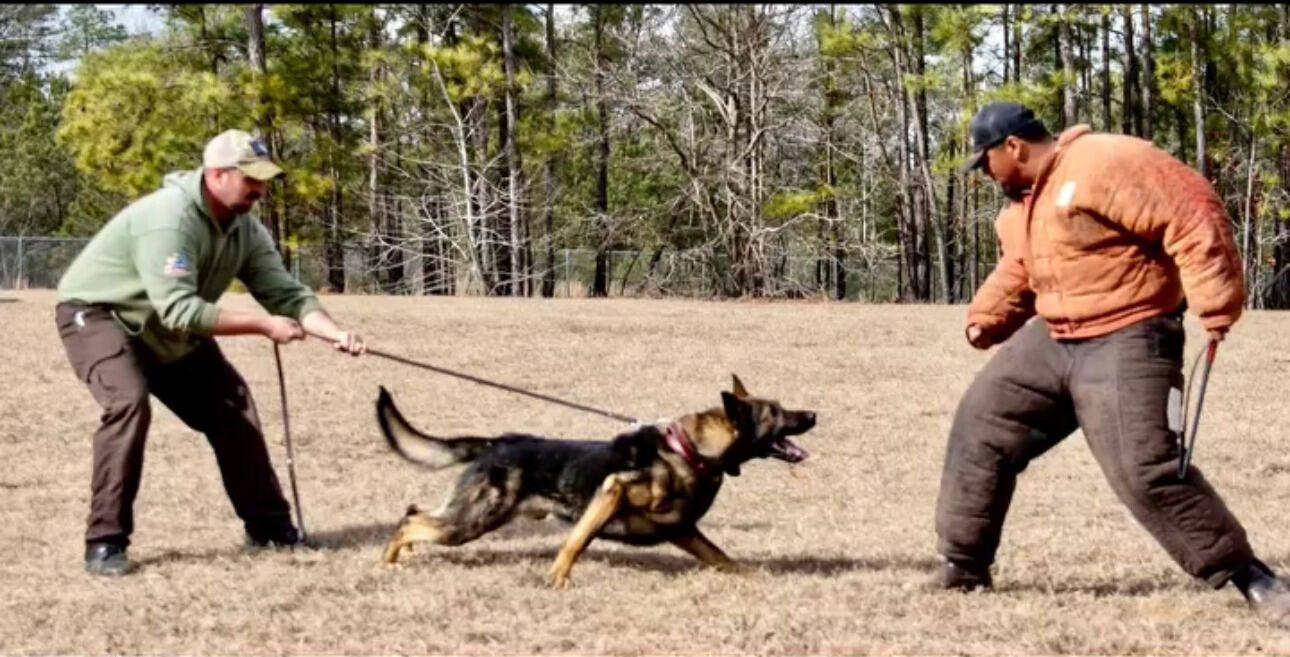
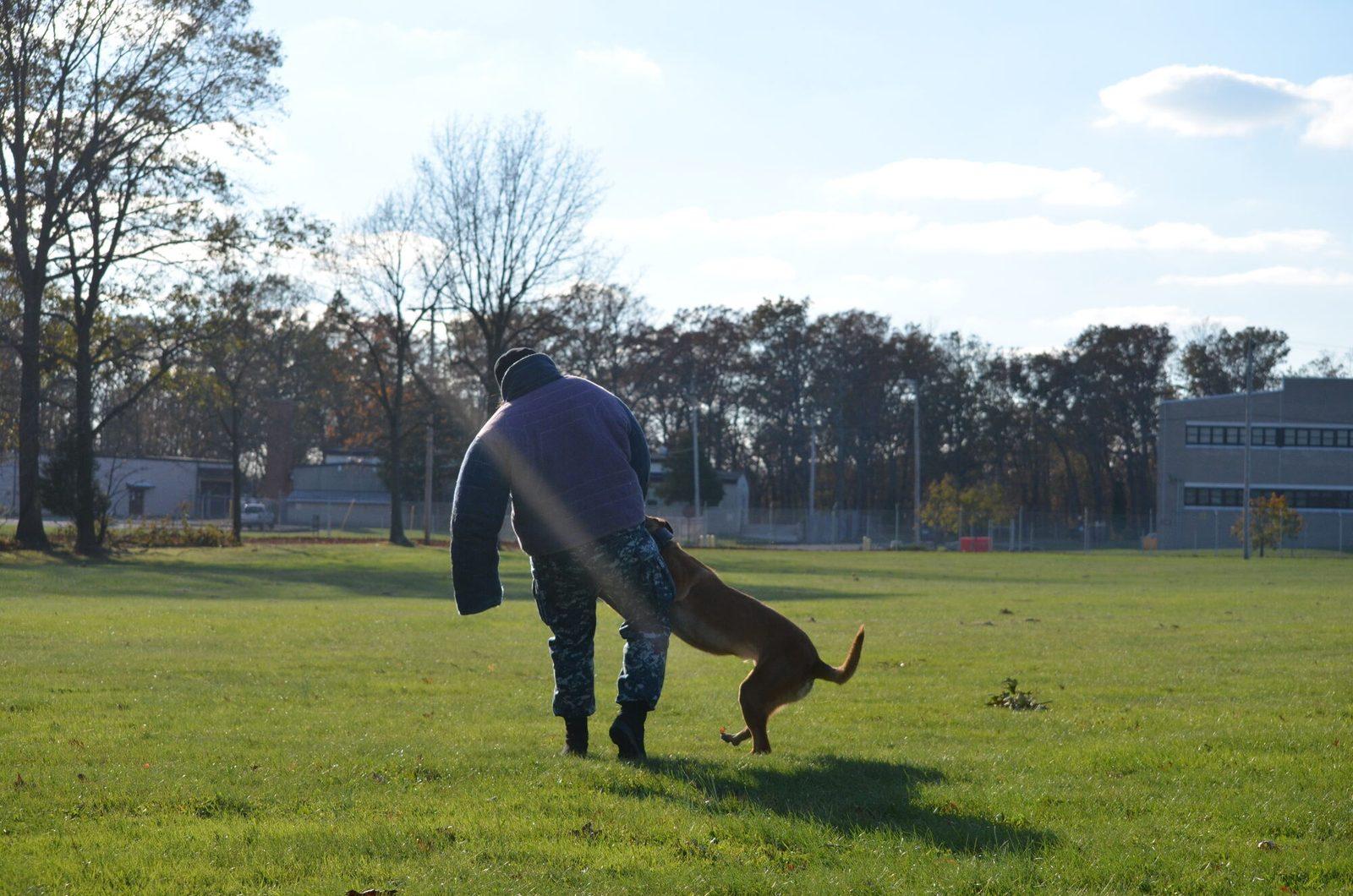
Protection dog engaging a decoy in a bite suit during controlled training

01 — For families & private clients

Family Protection Dogs

A finished dog that lives in your house, plays with your kids, and switches on only when it has to.

  • Selected for temperament before any bite work starts
  • Obedience that holds off leash, around distraction
  • Protection on command, and an off switch that works
  • Handover training for every adult in the household
Learn more
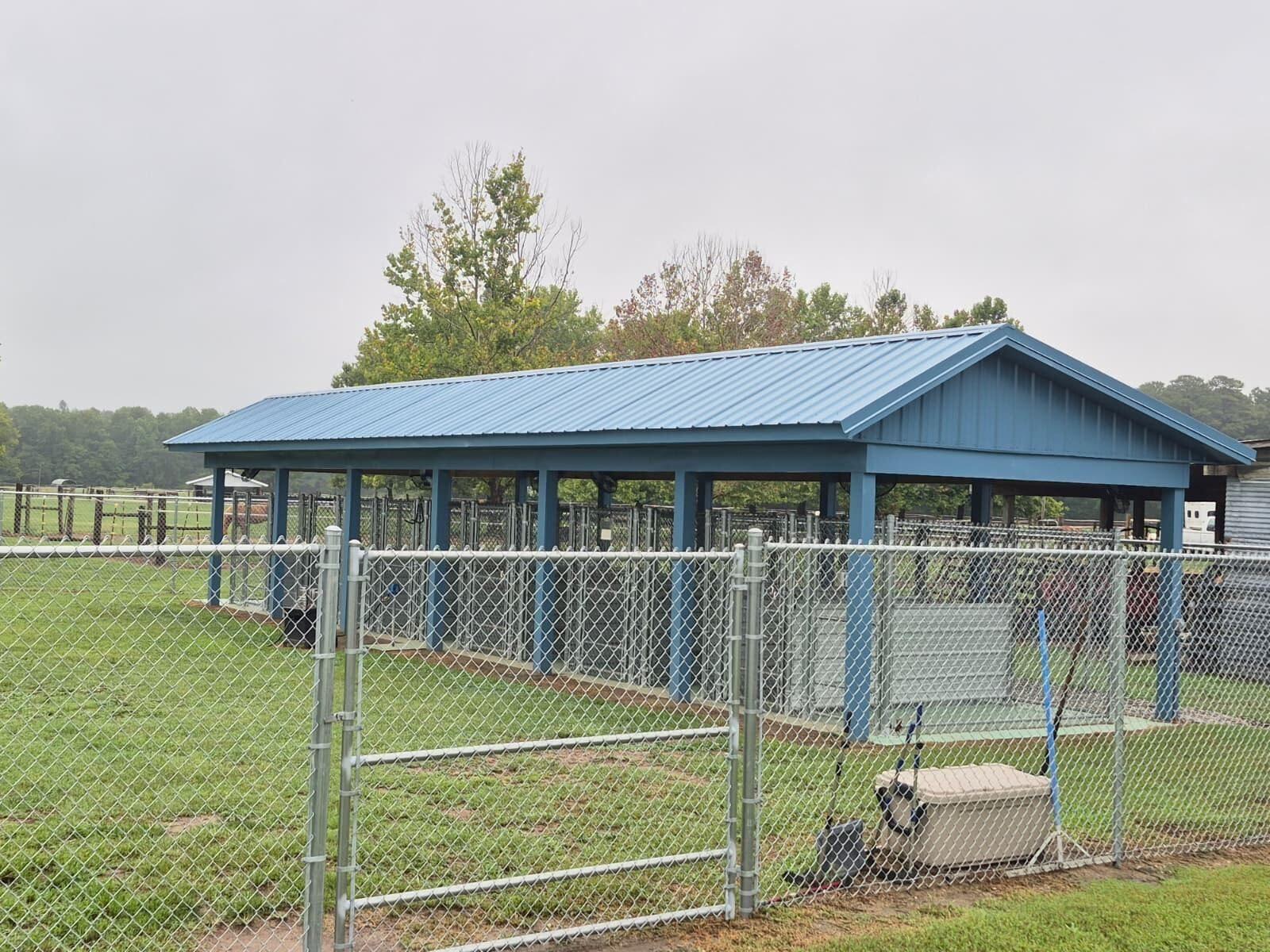
Covered kennel runs where board and train dogs are housed

02 — Your dog, our kennel

Board & Train

Your dog lives and trains with us, then comes home with the work already done and you taught to keep it.

  • Daily structured sessions, not a kennel stay with extras
  • Progress video while your dog is with us
  • A handover lesson so the training transfers to you
  • Follow-up support once your dog is home
Learn more
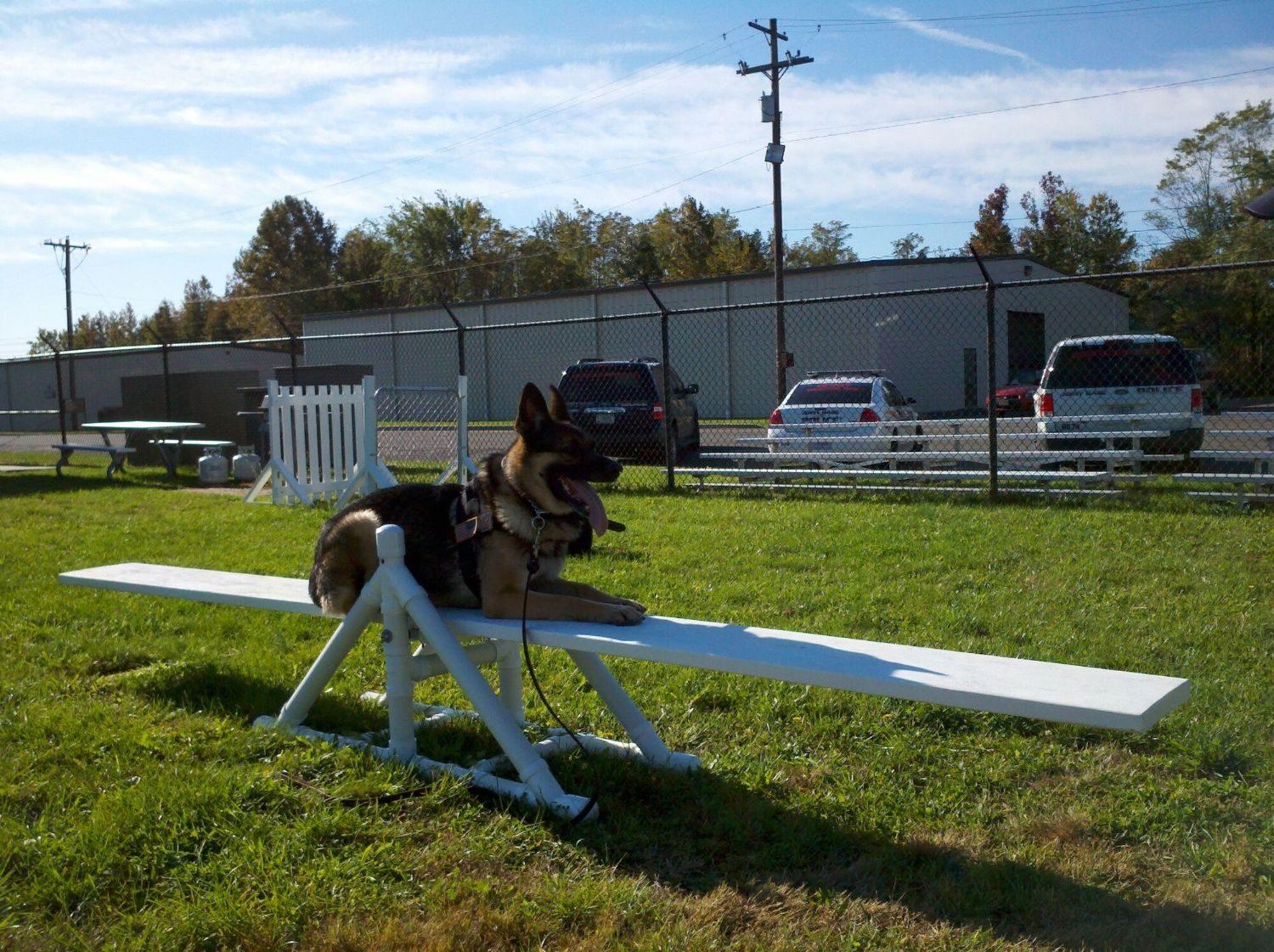
Dog holding a steady down on a raised plank during obedience work

03 — Private lessons

Obedience Training

One-on-one lessons for the dog that pulls, jumps, bolts, or will not come back when it counts.

  • Loose-leash walking, recall, place and stay
  • Door manners, jumping and counter-surfing
  • Reactivity assessed honestly before we promise anything
  • Sessions paced to the dog, not the calendar
Learn more
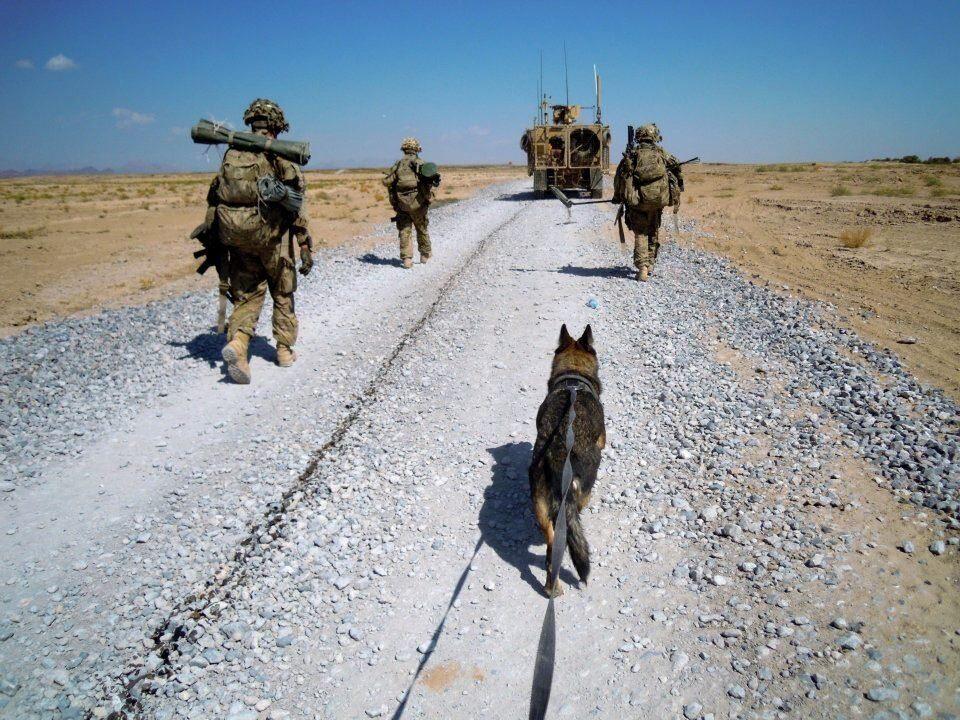
Working dog and handler moving with a patrol along a road

04 — For agencies & departments

Patrol & Detection

Single-purpose detection dogs and dual-purpose patrol dogs, selected and trained for the work your unit actually does.

  • Single-purpose detection, or dual-purpose patrol and detection
  • Odor sets built to the jurisdiction, not to a template
  • Environmental stability tested before the dog is offered
  • Handler instruction included with every placement
Learn more
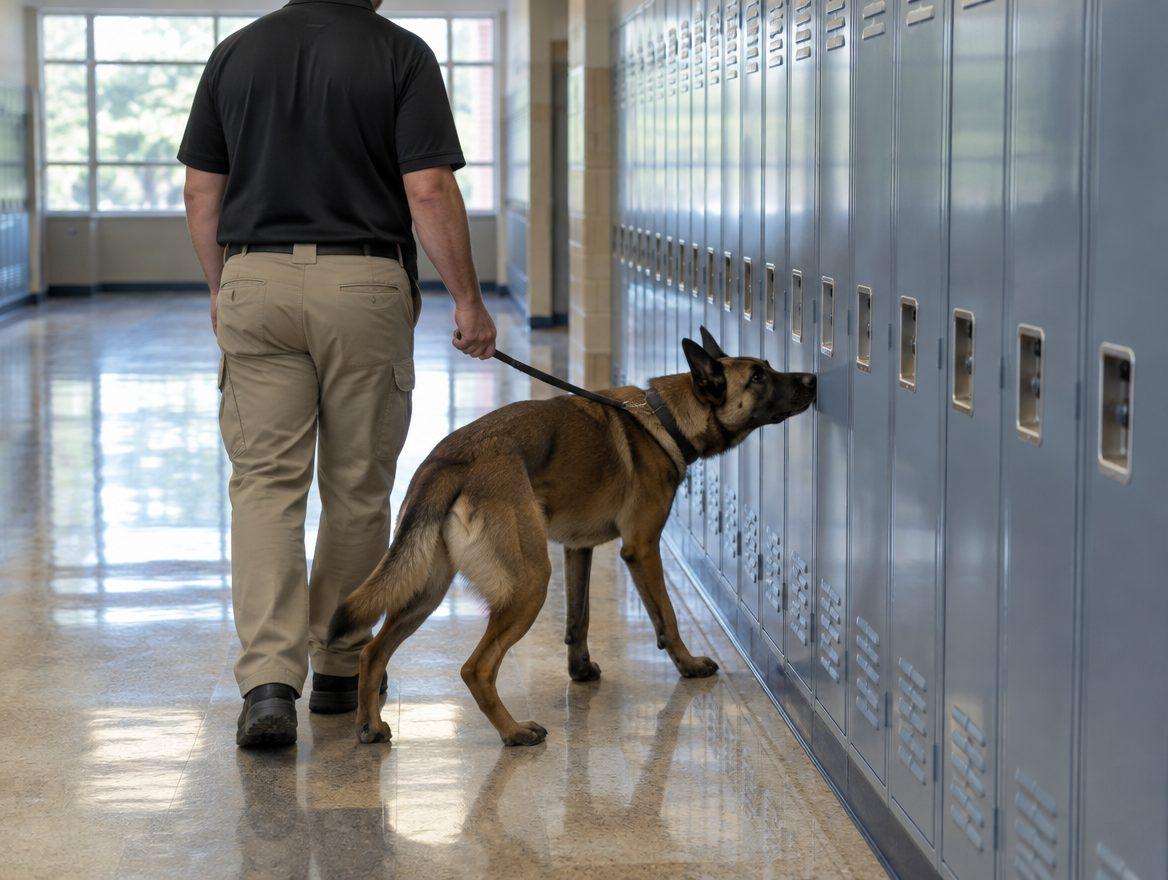
A detection dog working the seam of a school locker beside its handler

05 — For schools & churches

Campus Detection

Discreet detection dogs for private schools, parishes and campuses — vapes, firearms and narcotics, with custom odors on request.

  • Vapes and nicotine, narcotics, firearms and ammunition
  • Custom odors on request, where the odor can be worked
  • Temperament screened for children and congregations
  • Searches run discreetly, around the school day
Learn more
A handler holding a dog on a long line as it engages a decoy

The standard

Judge a trainer by the dog at rest

Anyone can show you a dog biting a sleeve. The harder thing — the thing that takes selection, sequencing and patience — is a dog that will do that on command and then lie down in a living room full of children.

Cavalry K9 trains family protection dogs, and trains family dogs to live civilly. Those sound like two businesses. They are the same one: both are built on obedience that holds under pressure, and both fail in the same place, which is the handover to the owner.

How we work

The process

How a protection dog is built.

Five stages, in this order, every time. A dog that does not clear one does not move to the next.

  1. Selection

    Most dogs are not protection dogs, and no amount of training changes that. We test for nerve, recovery and sociability before a dog enters the program. Dogs that do not pass are not pushed through.

  2. Foundation

    Obedience comes first and it is the bulk of the work. A dog that will not down at distance, under distraction, has no business being taught to bite.

  3. Protection

    Threat recognition, the out, and the recall off a decoy. The goal is a dog that engages on command or on a genuine threat, and releases the instant you tell it to.

  4. Proofing

    Homes, vehicles, stores, kids, other dogs, strangers at the door. The dog is worked in the places it will actually live, not just on a training field.

  5. Handover

    You are trained alongside the dog before it goes home. Every adult who will handle it learns the commands. Then we follow up, because the first ninety days are where handling habits set.

The difference

A protection dog is not an aggressive dog.

An aggressive dog reacts to whatever frightens it. A protection dog is confident enough not to. It spends almost all of its life off duty, and that is the half most sellers never show you.

Off duty

Almost all of its life

  • Settles in the house and ignores the doorbell you tell it to ignore
  • Social with invited guests, other dogs and your children
  • Walks on a loose leash through a crowded store
  • Goes to its place and stays there through dinner

On duty

On command, or on a real threat

  • Recognizes a genuine threat rather than reacting to noise
  • Engages decisively and holds
  • Releases the instant you give the out
  • Recalls to your side and resets

Before you buy anywhere

Four questions to ask anyone selling you a protection dog.

Including us. A good trainer welcomes every one of them.

Question 1

Can I watch the dog work before I pay?

Video can be edited. A live demonstration, with you watching, cannot.

Question 2

Will it out on the first command?

A dog that bites well but releases badly is a liability, not a protector.

Question 3

How does it behave with my children?

The dog spends almost all of its life off duty. That is where temperament actually shows.

Question 4

What happens after it comes home?

Training degrades without a handler who knows how to maintain it. Ask what support exists.

Questions

What people ask first

Is a protection dog safe around children?

A properly selected and trained one is, and that is the first thing it is tested for. Temperament is screened before protection training starts, and the dog is proofed around children before it goes home. If a dog is not stable in a family setting, it does not become a family protection dog.

What is the difference between a protection dog and an aggressive dog?

Control. An aggressive dog reacts to whatever frightens it. A protection dog is confident, social, and engages only on command or on a real threat, then releases the moment it is told to. The off switch matters as much as the bite.

Can you train my own dog for protection?

Sometimes. It depends entirely on the dog. We evaluate temperament first and tell you honestly whether your dog is a candidate. Many are not, and training a dog that lacks the nerve for protection work makes it more dangerous, not less.

How long does board and train take?

It depends on the dog and the goals, and it is set after an evaluation rather than quoted blind. What does not change is the handover: before your dog comes home, you are trained on everything it learned.

What odors can a detection dog be trained on?

Narcotics, explosives, firearms and ammunition are the usual sets, and vapes and nicotine are the most common request from schools. Custom odors are possible wherever a reliable scent signature exists to train on. Tell us what you need found and we will tell you plainly whether it can be worked.

Can a school or church have a detection dog without a police presence?

Yes, and that is most of what campus work looks like. A campus can place a dog with a trained staff handler, or have a dog and handler come in on a schedule. The dog is screened for social stability around children and congregations before any detection training starts.

What does it cost?

Every dog, household and campus is different, so every program is quoted over the phone after a consultation. Call us, tell us what you need, and you will get a clear number before you commit to anything.

Schedule a consultation

Tell us what you need the dog to do. We will tell you what fits.

A family protector, a campus that needs searching, a unit that needs a working dog. Sometimes the honest answer is obedience, not protection, or a smaller program than you came for. We will talk through what fits on the call.